 By Elisha Yered
September 14, 2026
On Rosh Hashanah, we marked 33 years since the signing of the Oslo “blood agreements.”
I promised to write in detail about the strategic importance of the eastern Kana bloc in the heart of Samaria following those agreements. Here it is. I recommend taking a minute to read it carefully.
First, recall the strategic meaning of the Netzarim Corridor—the east-west strip running through the center of the Gaza Strip. The IDF held it for most of the recent war and then abandoned it in a reckless move as part of the latest hostage deal.
Hamas repeatedly insisted on receiving that corridor once it fully understood its value. Without it, Gaza is not one large, independent Hamas-controlled territory. Instead, it becomes two separate terror nests, divided by military positions that prevent any connection between them.
Now consider Judea and Samaria. Among the largest Arab population blocs, two stand out clearly: the Shechem–Jenin bloc in northern Samaria, and the Salfit–Ramallah bloc stretching between Ariel and Beit El. If these two blocs could be connected—by isolating or even removing a few settlements standing in the middle—they would form an excellent foundation for a contiguous Palestinian state.
Yasser Arafat understood this perfectly 33 years ago. On the night before the Oslo Accords were signed, he reviewed the planned maps. Around two hours after midnight, during a final check, he was alarmed to discover a critical missing piece.
The two major blocs had been promised to him almost entirely and designated as Areas A and B. Yet they remained disconnected—two separate autonomies with no link between them.
What happened next is well-known and deeply troubling. Arafat’s aide was urgently sent to the hotel where the Israeli negotiator was sleeping. After waking him, the aide demanded immediate approval of an additional corridor to connect the two parts of the future Palestinian entity. The Israeli representative signed on the spot and went back to sleep. This vital “lifeline” for what became a terror infrastructure was granted without even a cabinet decision.
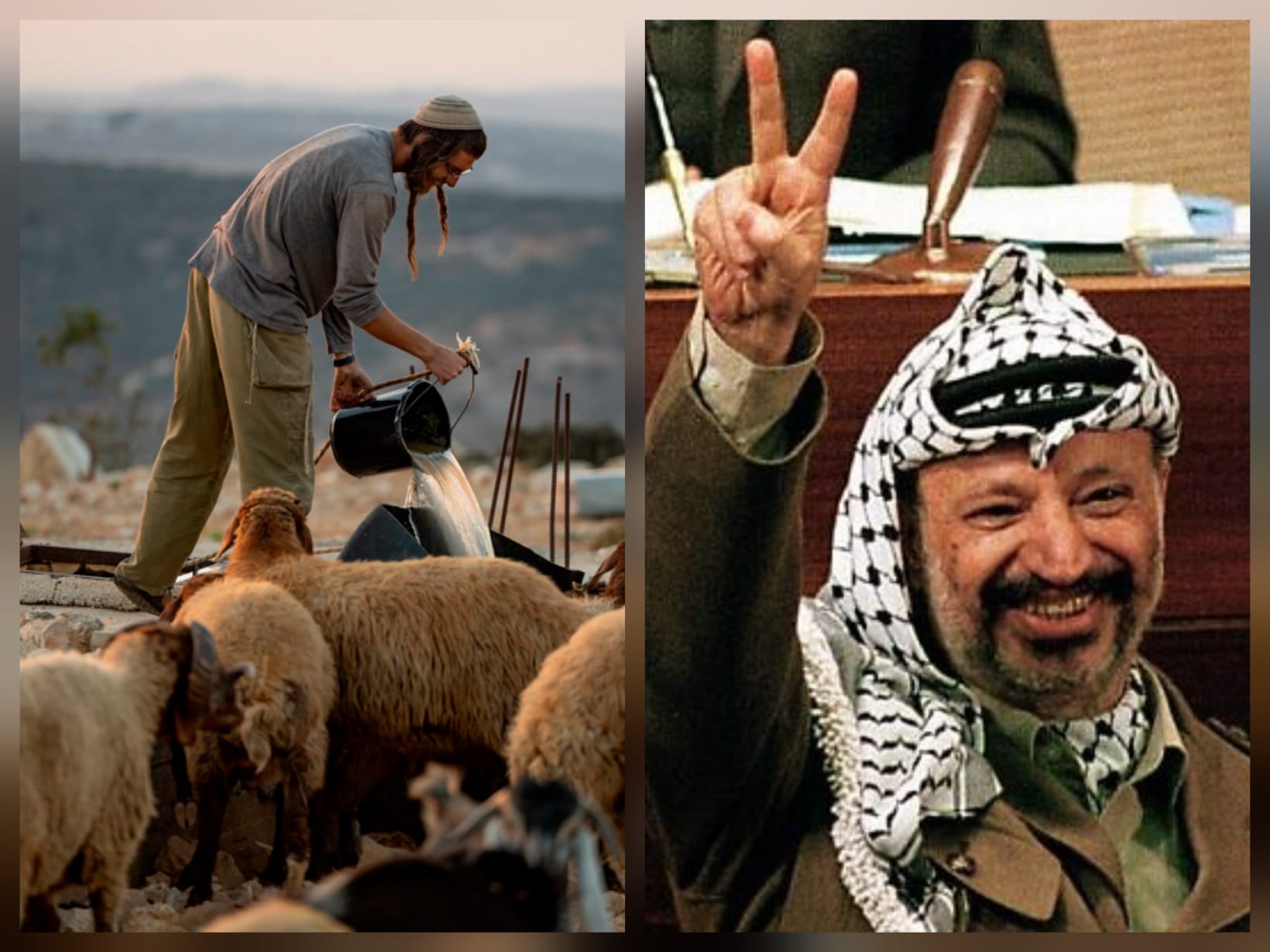
The corridor Arafat received runs between the settlements of Yitzhar and Emanuel. It begins near Shechem, follows the Gilad road, and reaches the outskirts of Ariel and Highway 505.
For years this strip was a black hole in the heart of Samaria. It effectively severed the mountain ridge from western Samaria and became a haven for terrorists. The “Tel cell,” responsible for horrific attacks in Emanuel and Yitzhar, based itself there and eluded IDF forces for years. The terrorists who carried out the shooting attack in Funduk about two years ago also fled to this area. Meanwhile, the Palestinian Authority worked aggressively on multiple fronts to strengthen its hold on the region.
About a year and three months ago, when we conducted our first field tour of this area as part of developing a settlement plan, we felt completely out of place. Local Arabs stared at us with a mix of shock and hostility, struggling to understand how Jews had even arrived there.
What followed is history—and a remarkable example of divine providence. With strong heavenly assistance and the dedication of committed Jews, we succeeded within a single year in establishing an initial continuous Jewish presence along the entire length of this critical corridor that Arafat had secured.
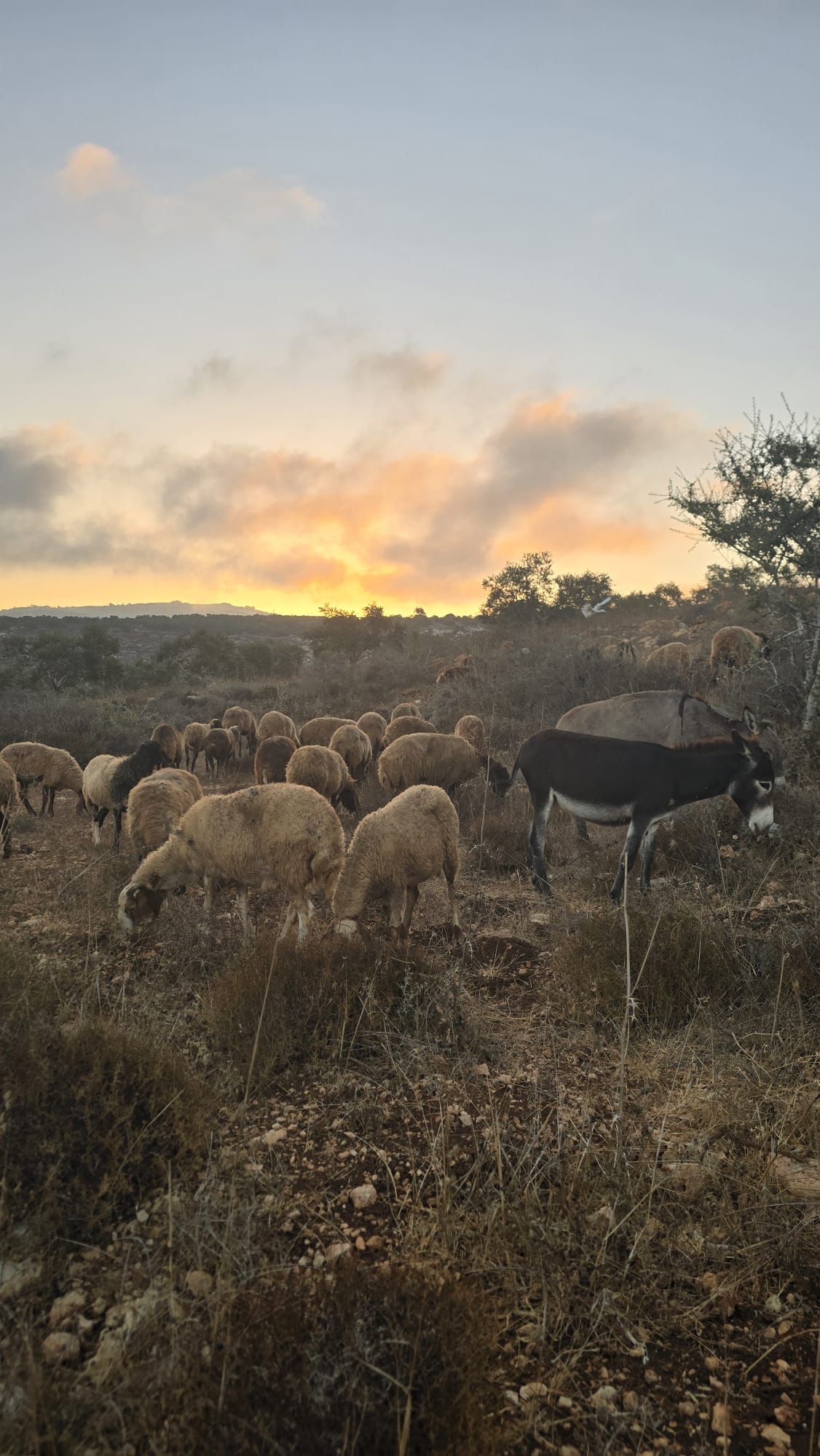
Three solid settlement points now stand as bases along the corridor, blocking any easy connection between the two Arab autonomies: Mevo Kana, Tzon Aviezer, and the newest and dearest—Kfar Ro’im.
The settlement groups that fought to establish these points, led by the remarkable Rom family, faced extraordinary challenges over the past year—challenges that deserve their own full account. They endured Sabbaths and holidays without water or electricity, lived in a leaking tent that flooded, watched off-road vehicles break down one after another on the ruined dirt road, and were cut off when the path became impassable in winter, leaving the hill under siege.
I have written about some of these difficulties over the past year. Thanks to the support of many of you, we were able to provide temporary relief by improving the road, giving the residents some breathing room. But precisely now, after the first stage of this effort has been achieved, the entire project stands at a critical “to be or not to be” moment.
Last winter the families and young men reached their breaking point. The coming winter is unlikely to be any easier. Being stuck for two days on a hill without water is manageable for single young men. It is far harder for a mother of four whose car sinks in the mud on the way to kindergarten. This is already the everyday reality of living in temporary dugouts—even before the mud and flat tires of winter arrive.
To secure the long-term stability of this strategic initiative, we must establish permanent infrastructure along the ridge in the coming weeks: a proper road that can withstand the flooding of Nahal Kana, a reliable water line, and solar electricity systems for all the families.
I accompany and support many hills, and I generally avoid applying labels like “historic” or “strategic” to every new neighborhood. But anyone who has visited the eastern Kana bloc even once can see that this new effort genuinely deserves those descriptions.
This week the members of the three settlement nuclei in the Kana bloc launched an emergency campaign. I have also taken on a personal fundraising goal that, with God’s help and your support, we can reach. Here is a donation link and would be grateful if you take part. If you still have tithe (ma’aser) money remaining from the previous year or the past month, this is a worthy place for it.
Donate Today. https://givechak.co.il/113260/en You can donate with bit or credit card. Some parts of the donation page may be in Hebrew.